Garden
Garden
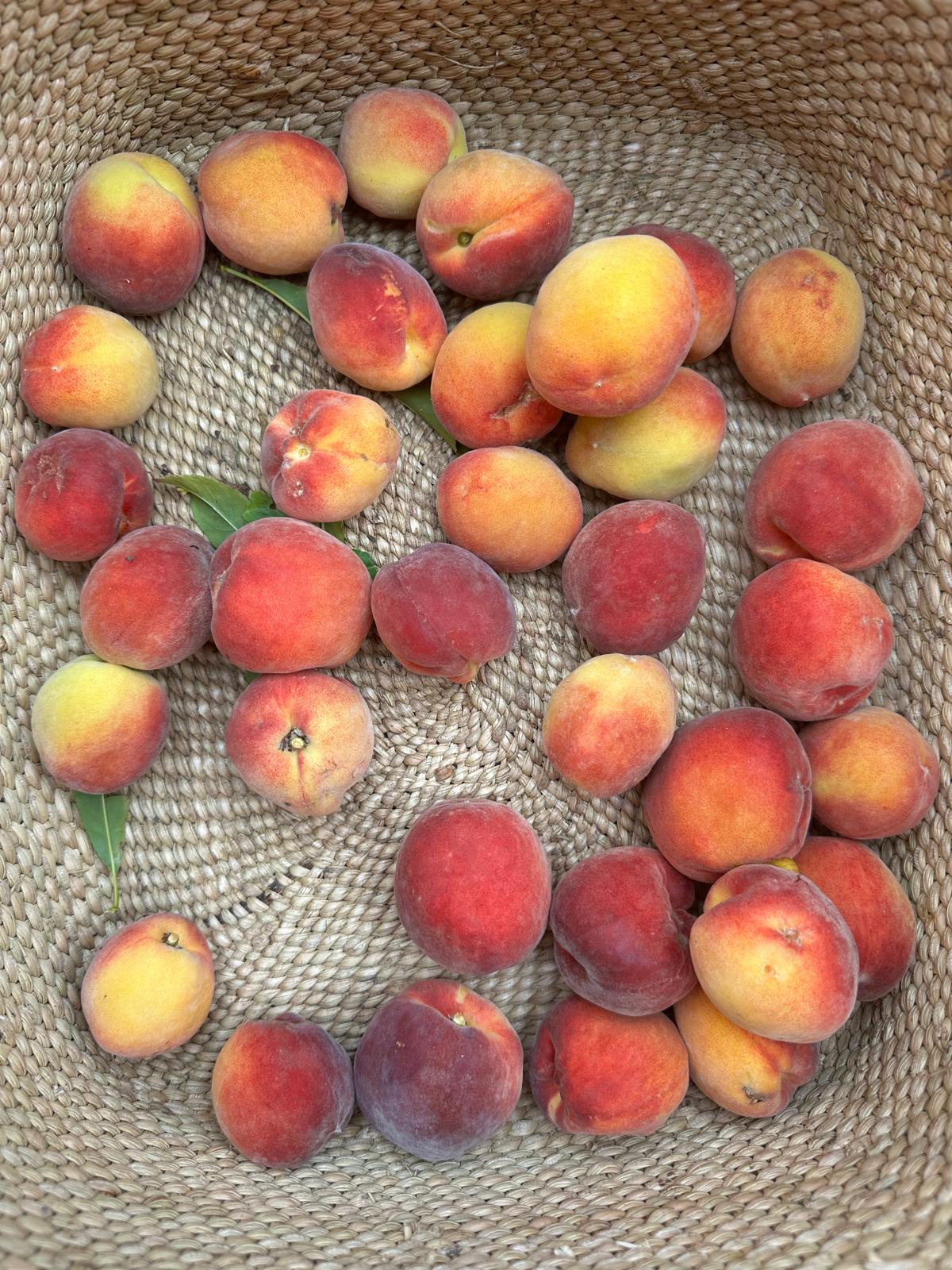
Two point seven acres on a working slope. The wild side carries the fynbos and the proteas; the cultivated side carries everything that ends up on the table. A herb garden in front of the living area. Stone fruit, citrus, figs, berries through the year. A small flock of lay chickens. Ten beehives on the upper slope. Most of what passes through this kitchen comes from within fifty metres of it.
The herbs
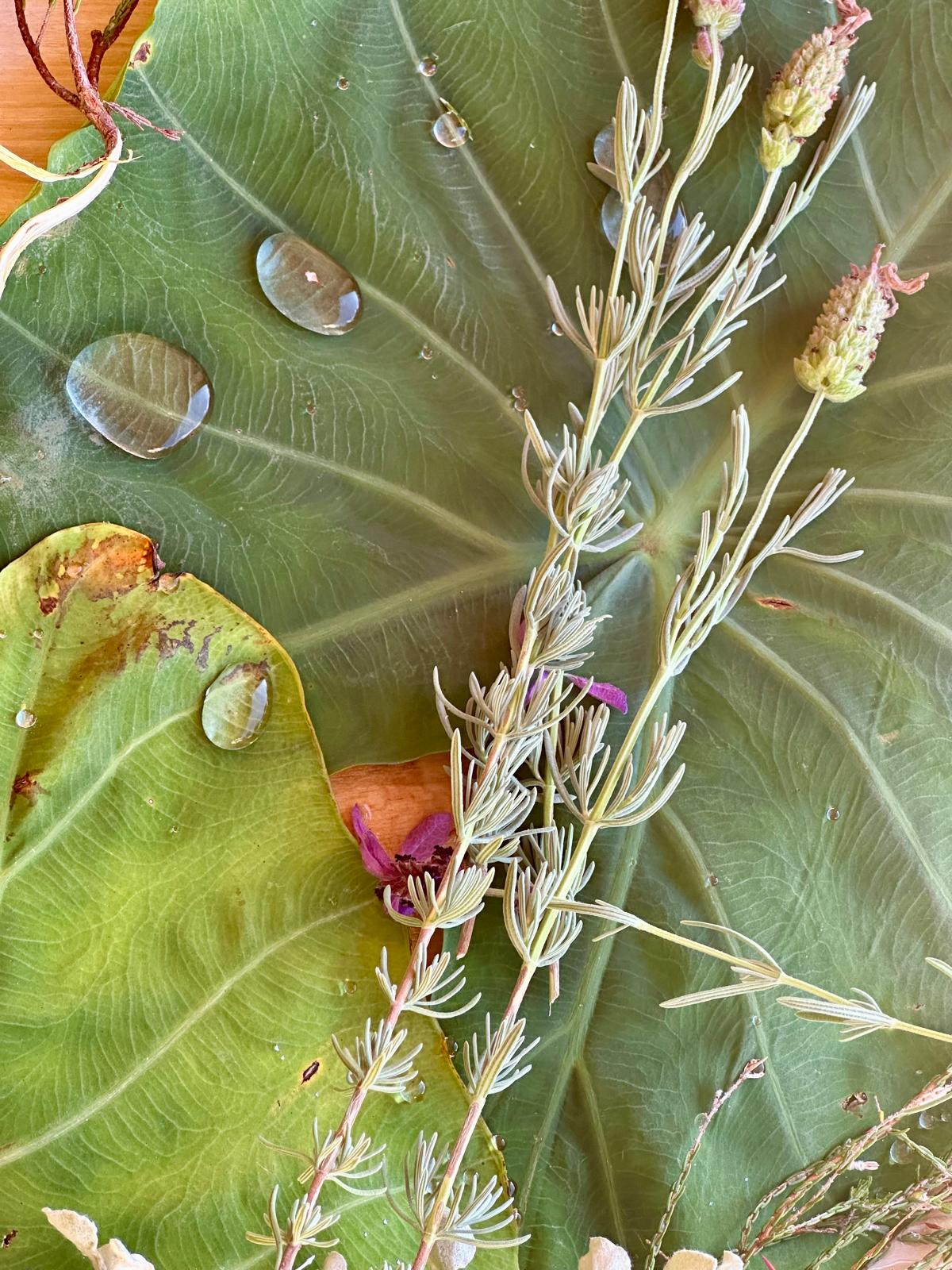
The main herb garden runs in front of the living area. Everything for a good G&T — lemon verbena, pelargonium, wild rosemary. Everything for the kitchen — Mediterranean rosemary, oregano, thyme, bay leaf. Everything for the medicine cabinet — chamomile, wormwood, aloe vera. Most evenings, something from this garden ends up on the table.
Stone fruit, late summer
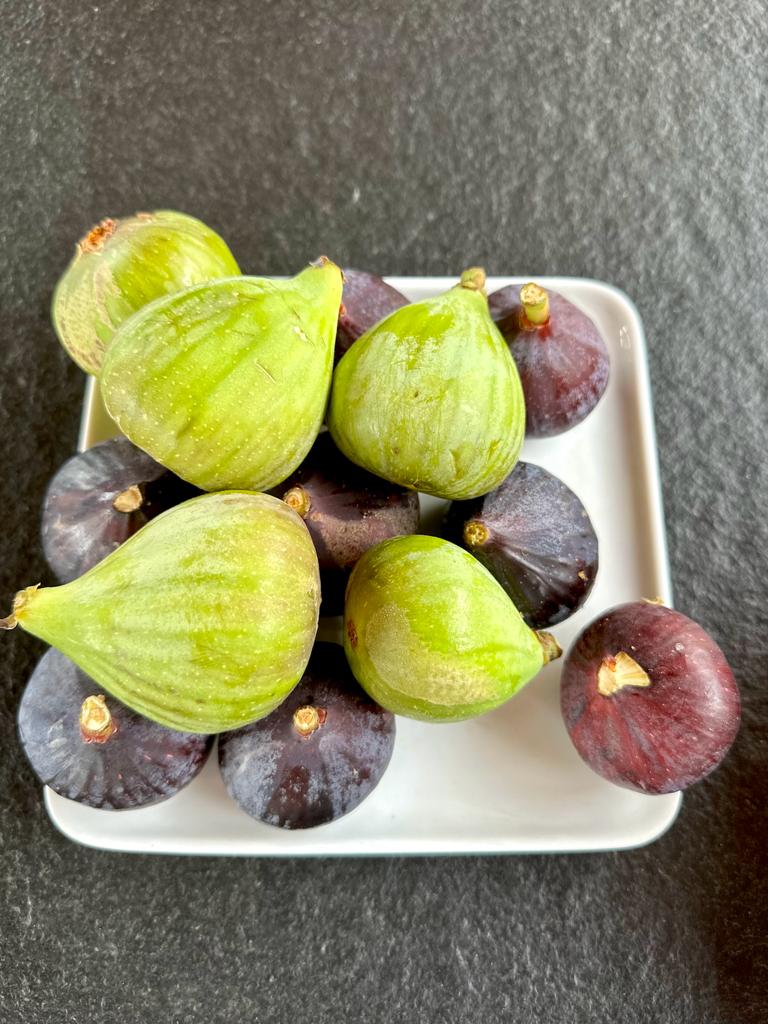
When the apricots, peaches, and figs come in, they come in all at once. Some get eaten standing in the garden. Some get baked. The figs — black, green, splitting at the stem — are the easiest tell that summer is ending.
The berries
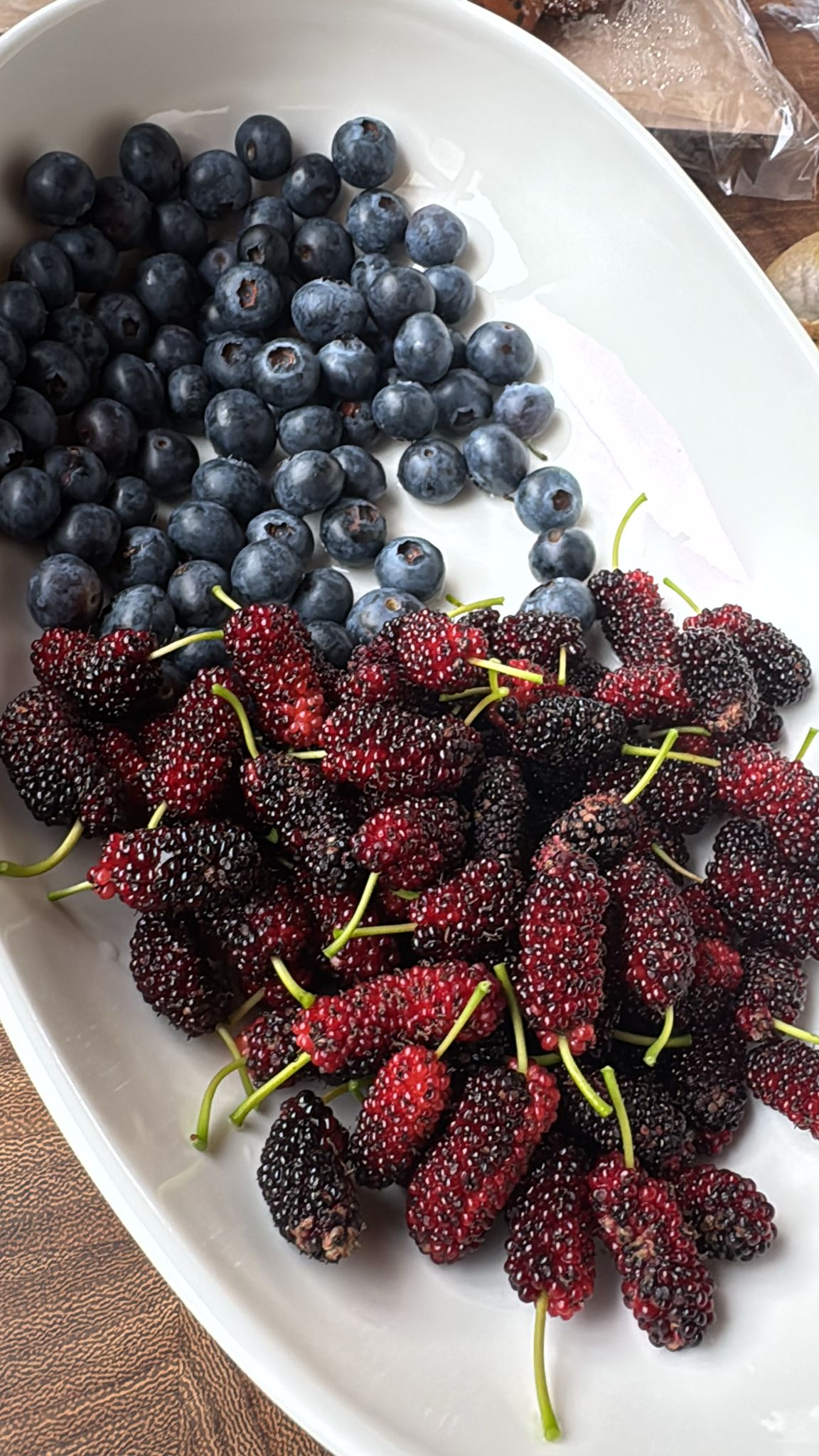
Spring is the berry month. Mulberries first — they hit the ground before you can catch them. Then blueberries. Then the blackberries hang on into early summer. Anyone walking past the bushes leaves with stained fingertips.
The chickens, and their eggs
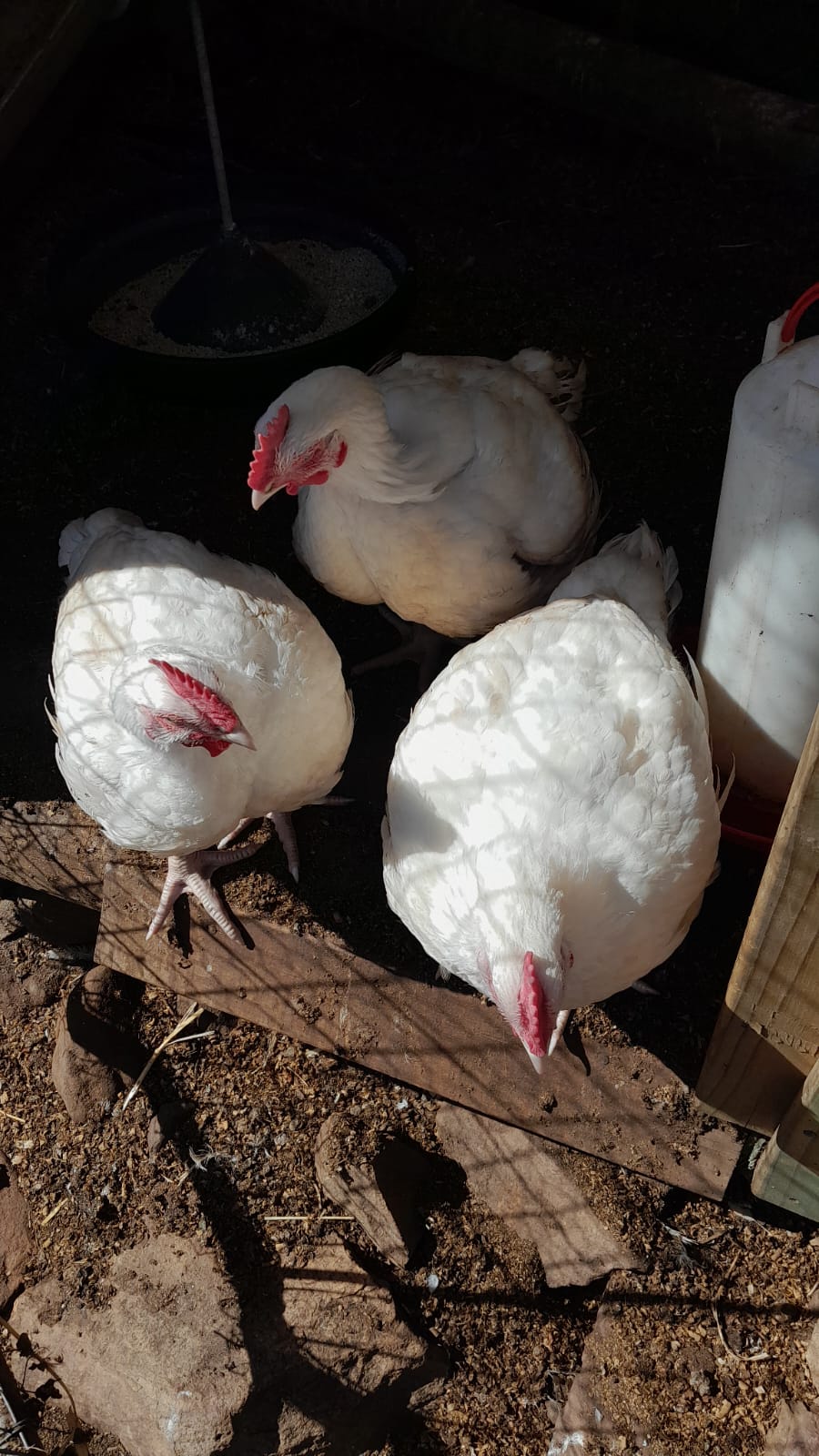
A small flock of lay chickens lives at the back of the property. The staff brings the day's eggs to the kitchen most mornings. Two of them are usually still warm.
The bees
Photo coming
Ten beehives sit on the upper slope, tended by the owner himself. The honey is small-batch and seasonal — the spring honey reads of fynbos, the summer honey reads of citrus and stone fruit. There is usually a jar on the kitchen counter.
The other half of the story is on the wild side — the proteas, the trail, the pond.
Visit the mountain